

I’ve been wondering lately why it’s taken me so long to start reading Charles Dickens. I had a tentative and short-lived couple of goes a few years ago, but the attempt petered out because we were so wrapped up in caring for elderly relatives. Anyone who has had to do that will tell you that even if you’re not physically worn out, you don’t have much brain power left for anything more demanding than TV detective thrillers. But even if I had persisted with Dickens a few years ago, that would still have been many decades after first encountering him. That was when I was ten years old. I was given a beautiful edition of Oliver Twist as a school prize.
It is still in pristine condition.
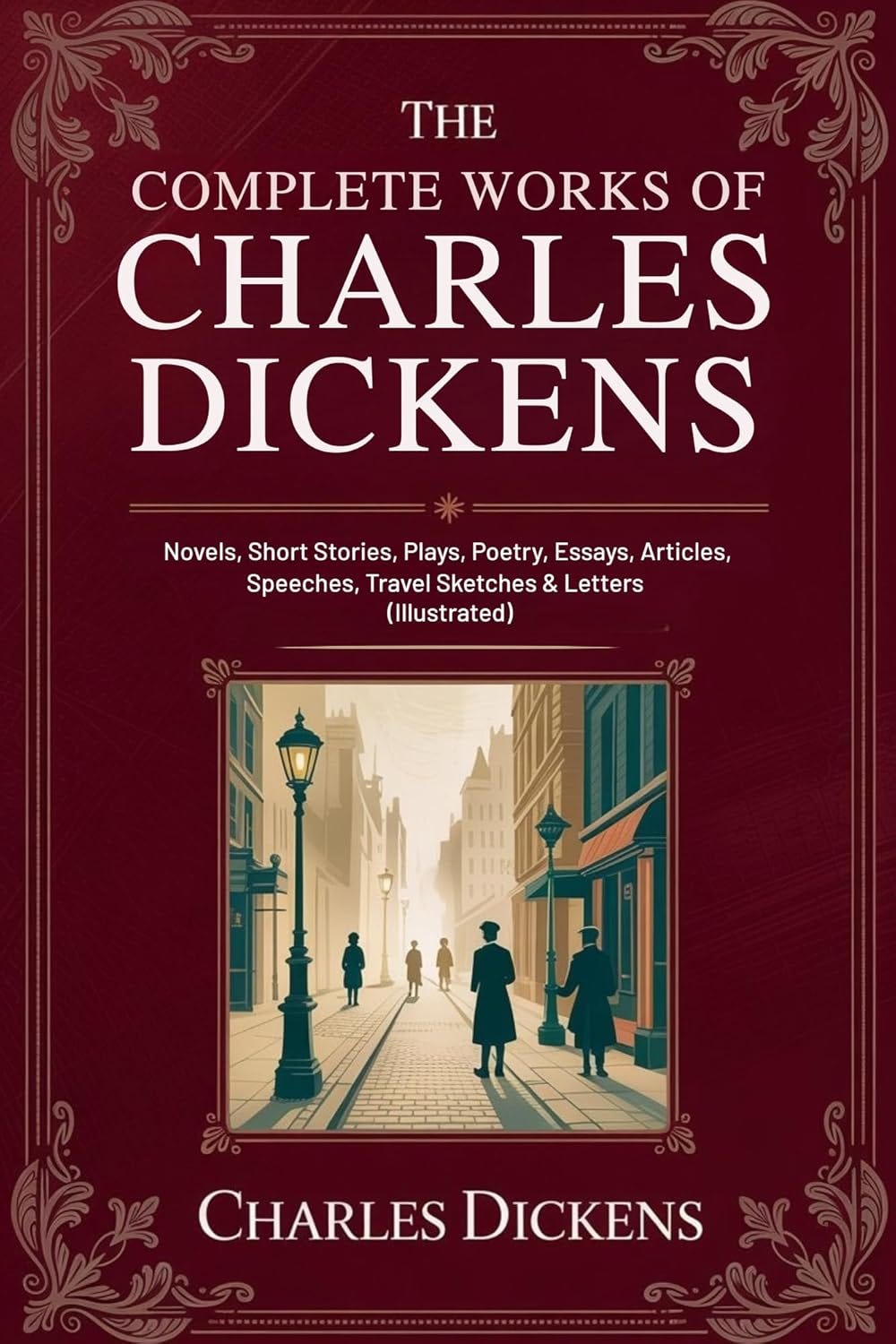
I did try to read it, but couldn’t get further than the first page. I’ve been feeling bad about myself because of this ever since.
Ten-year old Terry was a voracious reader. We couldn’t afford books so I spent most of my spare time in the public library. On several occasions I sat there and read one or two books before selecting four more to take out (we were allowed to borrow two “information” book and two “story” books at a time). Once — I remember it like it was this morning — I took a book out in the morning and brought it back in the afternoon. Why? Because I d read it since borrowing it. The librarian was convinced that I must be returning it because, she assumed, I had damaged it. I remember even now how disappointed she seemed upon realising that the volume was in the same pristine condition as when I borrowed it a few hour earlier.
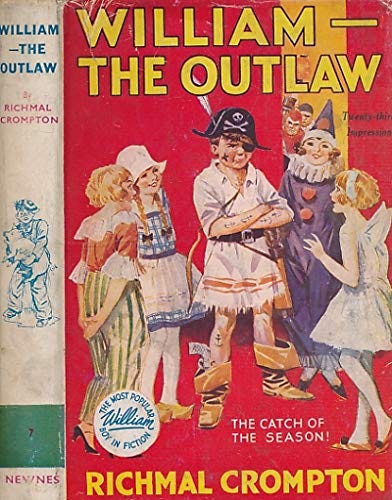
I loved the “William” books by Richmal Crompton. I rediscovered a few in a second-hand bookshop a couple of years ago. So why was it that I devoured the William books, which appeal to kids d ones 8 to 12, approximately, but couldn’t handle Oliver Twist? Especially since, when I looked in a book called William The Outlaw yesterday, I saw that it used words like “unctuous” and concepts such as Parliament and passing laws?
I looked again at the first page of Oliver Twist, and the reason became clear right away: the opening of Oliver Twist is virtually unreadable. The first paragraph is a single, highly convoluted -sentence. Given that the other three books I’ve looked at — Hard Times, The Pickwick Papers and Bleak House — are far better written, maybe Dickens was making a satirical statement about the sort of overblown language that some Victorians seemed to delight in. Anyway, compare these openings: the first is from Oliver Twist, the second Hard Times, and the third Bleak House:
“Among other public buildings in a certain town, which for many reasons it will be prudent to refrain from mentioning, and to which I will assign no fictitious name, there is one anciently common to most towns, great or small: to wit, a workhouse; and in this workhouse was born; on a day and date which I need not trouble myself to repeat, inasmuch as it can be of no possible consequence to the reader, in this stage of the business at all events; the item of mortality whose name is prefixed to the head of this chapter.” -- Oliver Twist.
I don’t know about you, but I think that’s horrible.
“Now, what I want is, Facts. Teach these boys and girls nothing but Facts. Facts alone are wanted in life. Plant nothing else, and root out everything else. You can only form the minds of reasoning animals upon Facts: nothing else will ever be of any service to them. This is the principle on which I bring up my own children, and this is the principle on which I bring up these children. Stick to Facts, sir!” -- Hard Times.
I think that is a great beginning. Admittedly, I am reading it now having experienced a career in education and teaching, but I daresay even ten-year old me would have enjoyed that.
“A Chancery judge once had the kindness to inform me, as one of a company of some hundred and fifty men and women not labouring under any suspicions of lunacy, ...” -- Bleak House.
Now, to be fair, I should imagine that ten-year old me wouldn’t have uinderstood the subtlety and understated humour in that sentence, but now I love it. Funnily enough, I was watching an episode of Morse yesterday, an English detective series made in the 1980s, and in the episode I watched a colleague of a professor who had just been bumped off said about him something like:
“He expressed his opinions in a manner that wasn’t conducive to the furtherance of a collegiate atmosphere.”
In other words he was bloody rude!
You may be wondering why I decided to look at Dickens again given my dire fist experience. The answer is simple. A few years ago I enrolled on a course called Victorian Visions, and the main course book was The Norton Anthology of English Literature - Vol E: The Victorian Age.
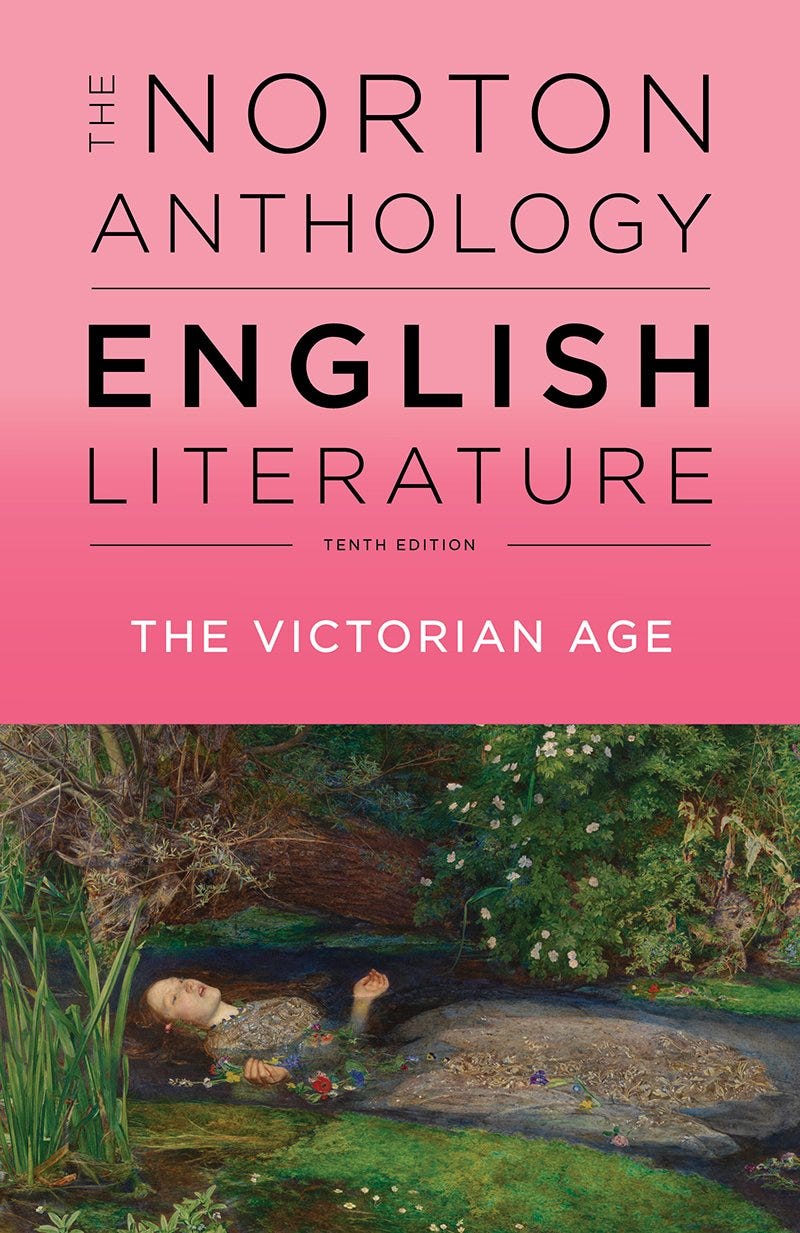
This contains excerpts from works, with information about the broader context. One of the excerpts was the paragraph above from Hard Times. I loved it, it made me laugh, it rang true, and it made me decide to have another go at Dickens. After many years I have forgiven myself for failing to read Oliver Twist all those years ago. I think if the prize had been Hard Times, things may have been different.
Apologies for any typos which appeared in the emailed version of this. I wrote it by hand and then converted it to text. Unfortunately, I missed one or two errors.
Dickens has taught me a great deal about writing reading him. On creating characters as purely dramatic or comic creations; evoking a time and a place with his London; being thoughtful and respectful regarding children; making satirical points without beating them to death; the joyful onomatopoeia of his character names! His novels and travelogues aren't just books- they are experiences...